DWI Blood & Breath Test Defense In Houston
Scientific evidence deserves careful examination. Leslie LeGrand’s DWI work and teaching experience include breath testing, blood testing, toxicology, and laboratory procedures.
Request a Free ConsultationFormer Harris County prosecutor · 24 years in Texas criminal law



Discuss Your Next Step With Leslie
Share a brief description of your situation. For urgent questions, call the office at 713-333-8997.
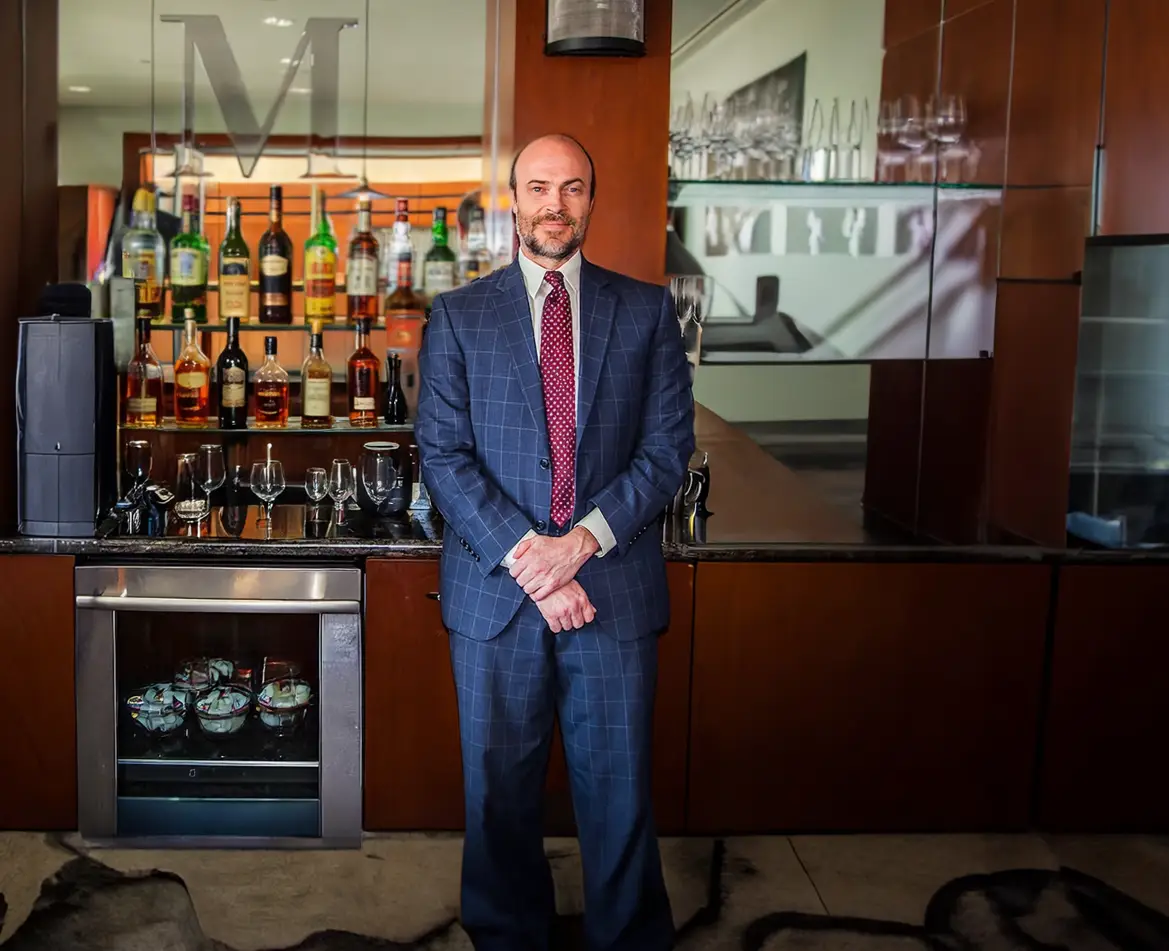
Board Certified in Criminal Law by the Texas Board of Legal Specialization.
A Number Is Only Part Of The Evidence
A reported alcohol concentration must be understood in context. Timing, collection, analysis, and interpretation all matter. The legal defense also examines the stop, arrest, observations, video, and how the State connects its evidence to the charged conduct.
Blood Collection And Laboratory Review
Questions may involve collection materials and procedures, sample identification, storage, transportation, chain of custody, analysis methods, quality controls, and the laboratory’s underlying records. A defense review looks at what was done and documented rather than assuming every reported result is either correct or incorrect.
Breath Testing And Instrument Records
The review may consider test administration, observation procedures, instrument maintenance and checks, operator records, and the test sequence. Leslie has presented to other lawyers on breath testing and the Intoxilyzer 9000.
If no sample was given, the issues are different. Learn more about refusing a breath or blood test in Houston.
Drug Evidence And Toxicology
Drug allegations can present different questions from alcohol cases. The presence of a substance, its timing, and its alleged effect require context. Toxicology, drug-recognition evaluations, medical information, and video may all be relevant to the defense.
Learn about Leslie’s background and board certification, Houston DWI defense, or criminal defense representation.
Frequently Asked Questions
Can a blood or breath result be challenged?
Yes. The appropriate issues depend on the records and facts. A challenge must be grounded in the actual collection, analysis, legal process, or interpretation.
Does refusing a test end the investigation?
No. Refusal can raise license issues, and investigators may seek other evidence or a warrant. Have the paperwork and circumstances reviewed.