First-Offense DWI In Houston
A first DWI arrest can affect your driving, work, and future. Leslie LeGrand examines the evidence and explains the court and license issues so you can make informed decisions.

Arrested for DWI in Houston? Houston DWI lawyer Leslie LeGrand brings 24 years of criminal-law experience and extensive work with the science used in intoxication cases to protect your license, livelihood, and reputation. Leslie is Board Certified in Criminal Law by the Texas Board of Legal Specialization.
Free DWI ConsultationFormer Harris County prosecutor · 24 years in Texas criminal law




Complete the form to request a free consultation with Houston DWI attorney Leslie LeGrand.
A DWI case can involve far more than a test result or an officer’s conclusion. The stop, detention, field sobriety procedures, testing method, laboratory work, instrument records, video, and chain of custody may all require close examination.
Review why the vehicle was stopped, how the investigation unfolded, and whether law-enforcement procedures complied with the law.
Examine test instructions, administration, scoring, environmental conditions, physical limitations, and available video.
Evaluate collection, handling, analysis, instrument or laboratory procedures, and the meaning assigned to reported results.
Leslie’s work has included breath testing, blood testing, toxicology, standardized field sobriety testing, drug recognition evaluations, and laboratory procedures. He has also taught other lawyers about DWI law and scientific evidence.
Every case is different. The defense must be shaped around the accusation, the evidence, and the consequences at stake.
Even a first accusation can create serious court, licensing, employment, and insurance concerns.
Prior history and aggravating circumstances can increase exposure and demand a detailed defense strategy.
Toxicology and drug-recognition evidence may raise different questions from an alcohol-based allegation.
A refusal does not end the analysis; video, observations, warrants, and procedural issues may remain important.
Aggravating allegations can substantially raise the stakes and may involve multiple sources of evidence.
Serious injury or death allegations require careful work with causation, reconstruction, toxicology, and expert evidence.
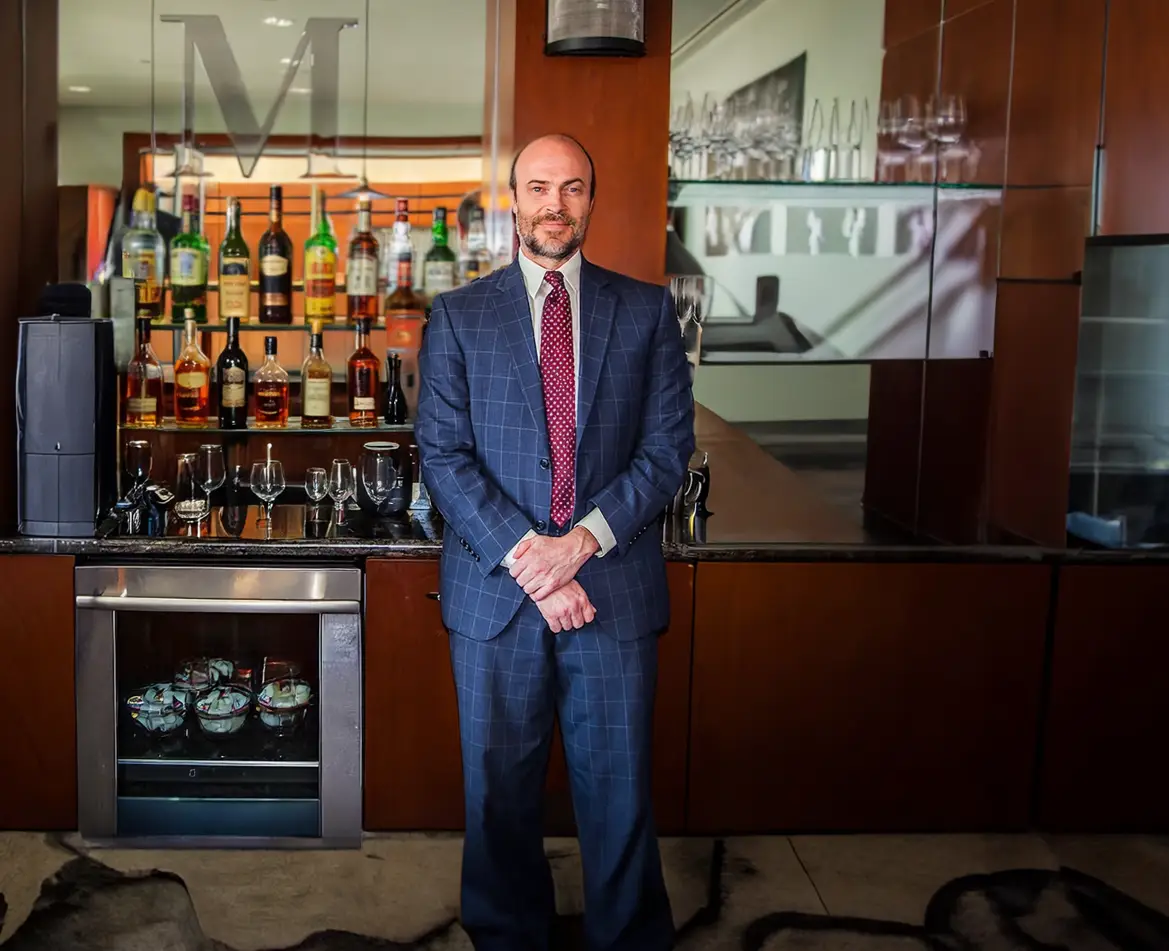
Before entering private practice in 2007, Leslie served as a misdemeanor, juvenile, and felony prosecutor. That experience informs how he reviews a DWI case: what the State alleges, how its evidence was created, and whether it can withstand courtroom scrutiny.
Keep every document you received, follow all bond and release conditions, avoid discussing the facts on social media, and speak with a Texas DWI lawyer promptly. Court, evidence-preservation, and driver’s-license deadlines may begin soon after the arrest.
A DWI arrest can start an administrative license process that is separate from the criminal case. The paperwork may contain a short deadline to request a hearing, so it should be reviewed immediately. Whether a suspension applies—and for how long—depends on factors such as testing, refusal, and prior history.
Texas lists possible first-offense consequences including a fine of up to $2,000, up to 180 days in jail with three mandatory days upon conviction, and loss of a driver’s license for up to one year. Additional state fines and case-specific consequences may also apply.
Yes. A defense review may examine the traffic stop, test instructions and scoring, video, collection and chain of custody, instrument or laboratory procedures, quality controls, and how the reported result was interpreted.
Dismissal or record relief is not automatic. The available options depend on the facts, evidence, disposition, criminal history, and current Texas law. A lawyer can assess suppression issues, weaknesses in the State’s proof, negotiation, trial, and any later sealing or expunction eligibility.
Learn more about Leslie LeGrand’s experience or contact the Houston office.
Request an ALR hearing to contest the license suspension; the deadline is generally 15 days from receiving the notice. Missing it usually means an automatic suspension. See what to do after a DWI arrest.
Usually. A first DWI is generally a Class B misdemeanor, or a Class A misdemeanor if the alcohol concentration was 0.15 or more. It can be a felony if a child under 15 was in the vehicle or someone was seriously injured.
Yes. Texas also defines intoxication as losing the normal use of your mental or physical faculties, so a case can proceed without a 0.08 result.
A refusal can lead to a license suspension, and officers often get a warrant for a blood draw. Refusal cases are still defensible. See test refusal.
Expunction applies only when a DWI arrest did not result in a conviction (acquitted at trial, dismissed, never formally charged, or pardoned). A DWI conviction can never be expunged, though an eligible first-time DWI may be sealed through an Order of Nondisclosure, hiding it from most private background checks, employers, and landlords while law enforcement and government agencies can still see it. See the Houston DWI FAQ.
It may be required as a bond condition, as a condition of probation or deferred adjudication, or for an occupational license, depending on the case.
Speak directly with Leslie LeGrand about the accusation and the evidence.
A first DWI arrest can affect your driving, work, and future. Leslie LeGrand examines the evidence and explains the court and license issues so you can make informed decisions.
The license process can move before your criminal case is resolved. Bring your suspension notice to Leslie LeGrand promptly so the correct deadline and available response can be evaluated.
The days after an arrest can feel confusing. Use this guide to organize the next steps, protect relevant evidence, and prepare for a discussion with Houston DWI attorney Leslie LeGrand.
Scientific evidence deserves careful examination. Leslie LeGrand’s DWI work and teaching experience include breath testing, blood testing, toxicology, and laboratory procedures.
Prior history or aggravating allegations can substantially increase the stakes. Leslie LeGrand reviews both the new accusation and the records used to support an enhanced charge.
Refusing a breath or blood test can trigger a separate license suspension and a warrant for blood. Leslie LeGrand reviews the stop, the warnings given, and any warrant obtained.
When a DWI accusation involves serious injury or death, the charge becomes a felony. Leslie LeGrand examines the crash investigation, the scientific evidence, and causation.